
 EP 8Love Phobia2026 · ★ 7.1
DramaFren
170 dramas of twelve episodes or fewer, 1994 to 2026, with 1,407 episodes listed.
Latest dramas
View more (170) EP 8
EP 8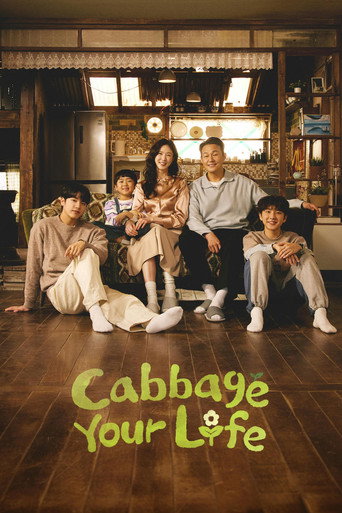 EP 12
EP 12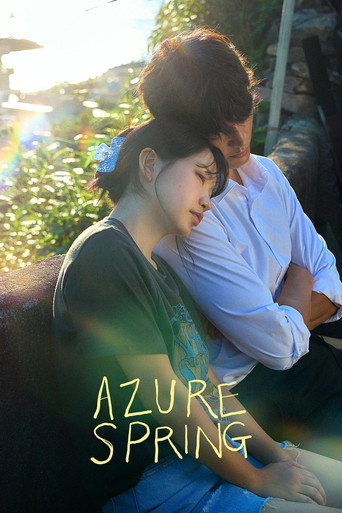 EP 6
EP 6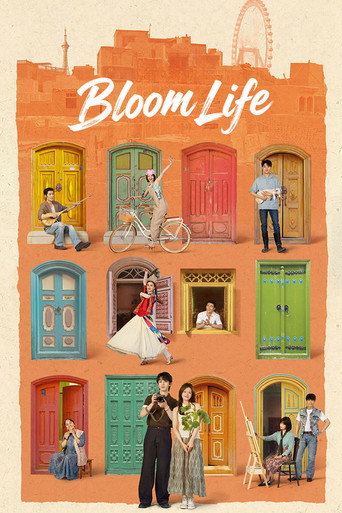 EP 8
EP 8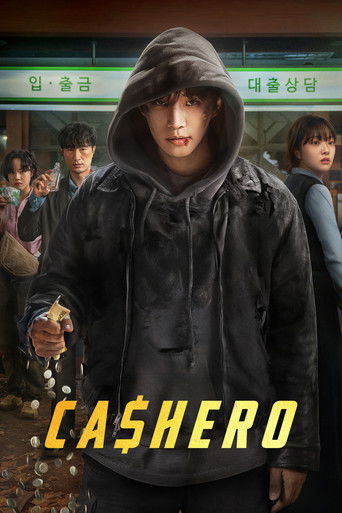 EP 8
EP 8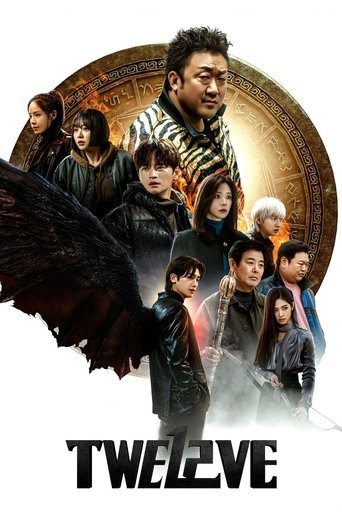 EP 8
EP 8 EP 12
EP 12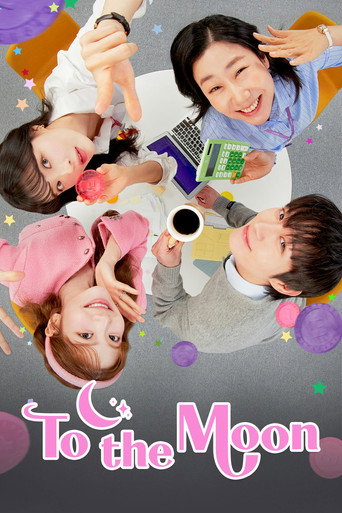 EP 12
EP 12 EP 10
EP 10Korean short dramas
View more (114) EP 4
EP 4 EP 12
EP 12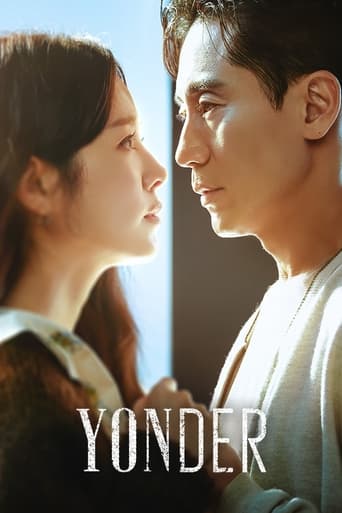 EP 6
EP 6 EP 12
EP 12 EP 12
EP 12 EP 12
EP 12 EP 2
EP 2 EP 12
EP 12 EP 12
EP 12 EP 3
EP 3Japanese short dramas
View more (45)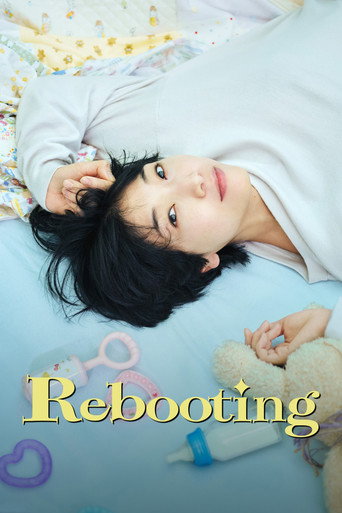 EP 10Rebooting2023 · ★ 8.8
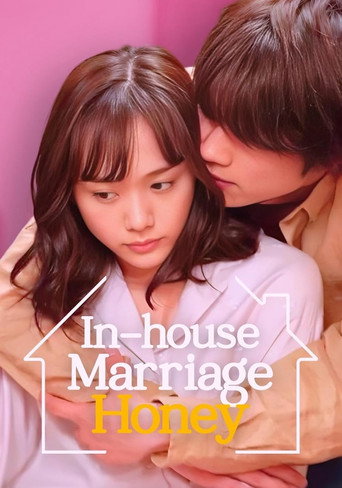 EP 7In-House Marriage Honey2020 · ★ 7.0
 EP 8Wave, Listen to Me!2023 · ★ 7.6
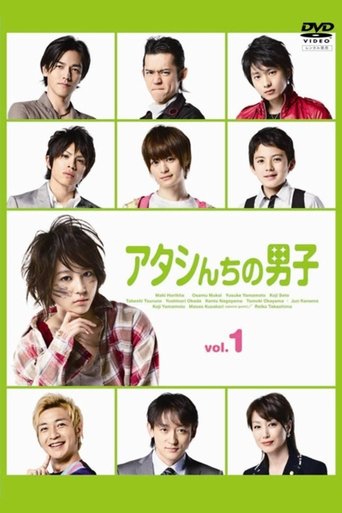 EP 11My Boys2009 · ★ 7.7
 EP 11Heartbroken Chocolatier2014 · ★ 6.6
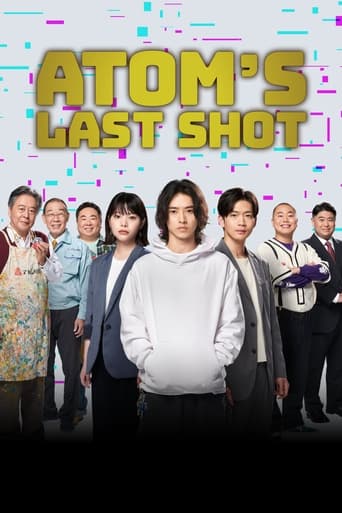 EP 9Atom's Last Shot2022 · ★ 6.3
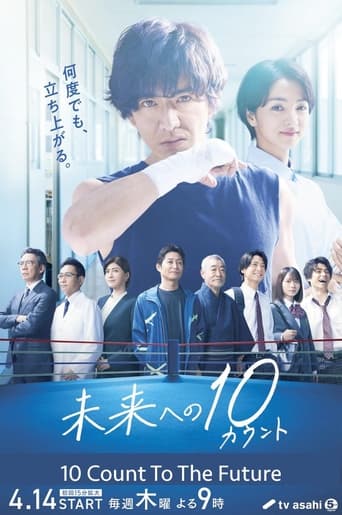 EP 9Ten Count to the Future2022 · ★ 7.5
 EP 12Happy Marriage!?2016 · ★ 6.8
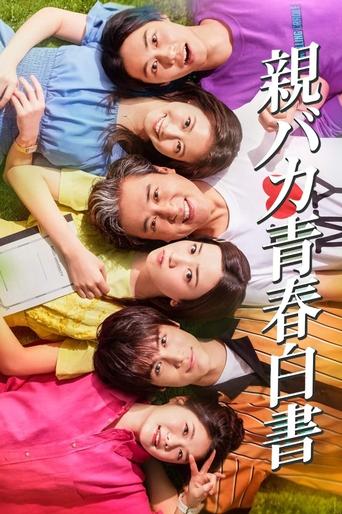 EP 7Daddy Is My Classmate2020 · ★ 6.7
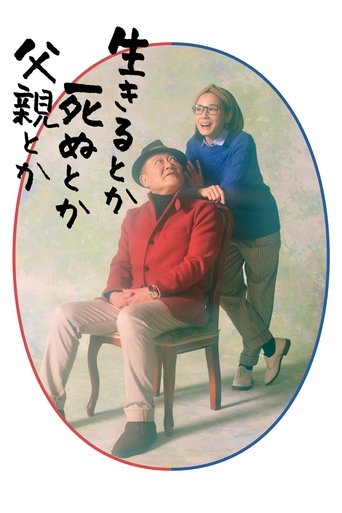 EP 12Living, Dying, Father, etc.2021 · ★ 7.8
Chinese-language dramas
View more (11)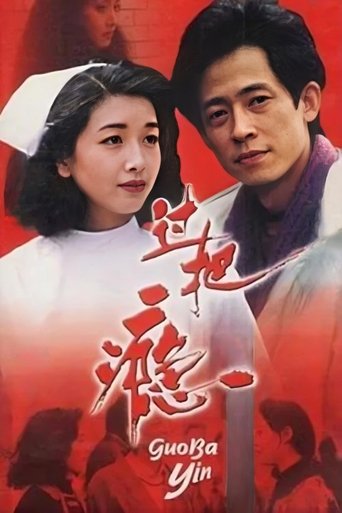 EP 8
EP 8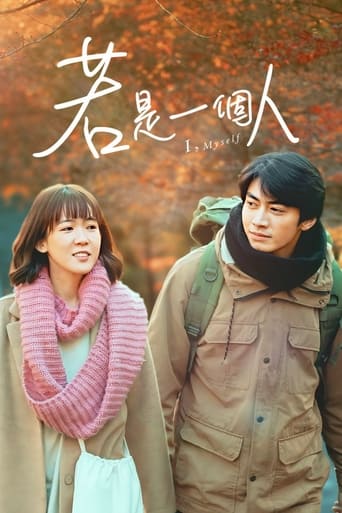 EP 10
EP 10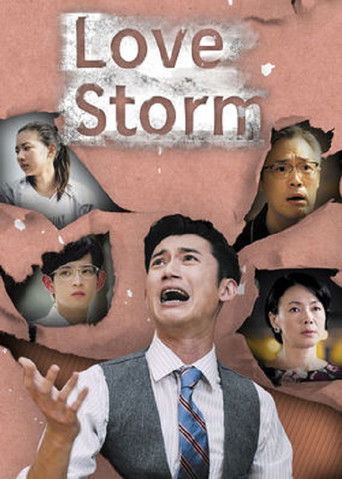 EP 7
EP 7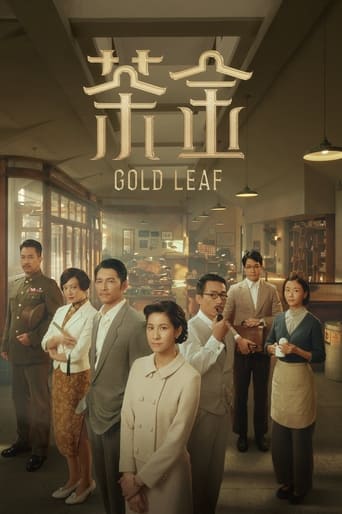 EP 12
EP 12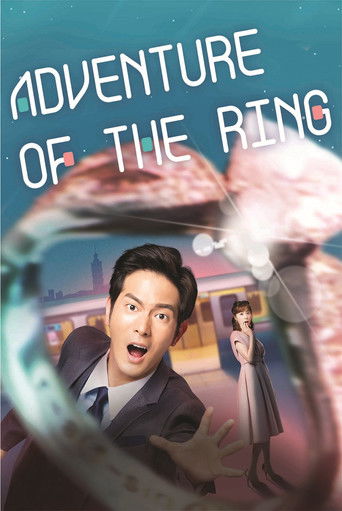 EP 8
EP 8One sitting
View more (30)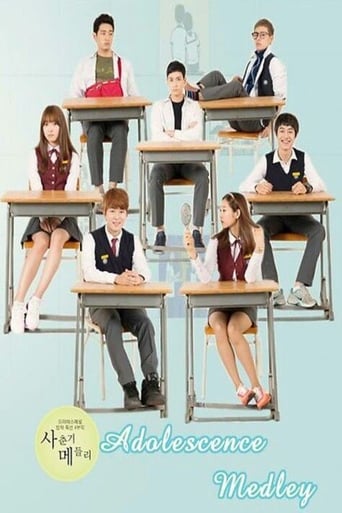 EP 4
EP 4 EP 2
EP 2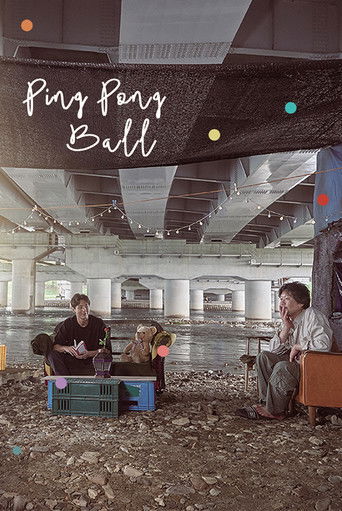 EP 2
EP 2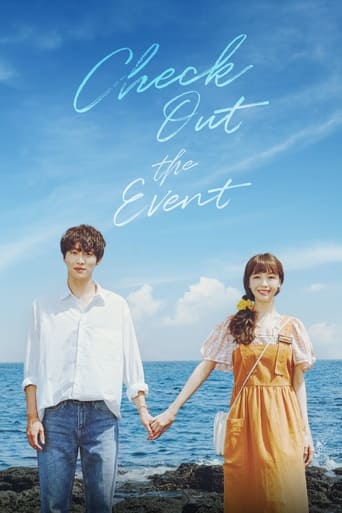 EP 4
EP 4 EP 4
EP 4The DramaFren guide to short dramas
DramaFren: short dramas from Korea, Japan and Taiwan, with Rebooting, Cashero, Twelve, Yonder, You Drive Me Crazy, Motel California and Wave, Listen to Me!
A story told in a few hours has a charm of its own. It asks for an evening or a weekend instead of a season of your life, it wastes little, and it ends while you are still fond of everyone in it. East Asian television has always been good at the short form, and the telephone has made it better still: beside the two-month miniseries there are now web dramas in ten-minute chapters, two-part specials shown on a single night, and compact seasons of six or eight episodes made for streaming. DramaFren is a guide to 170 dramas of twelve episodes or fewer, made between 1994 and 2026. Each has a page with its cast, its episodes and a Watch now button that leads to the official services carrying it.
The 170 dramas have 1,407 episodes between them, an average of about eight apiece. A hundred and fourteen come from South Korea, forty-five from Japan and eleven are in Chinese, most of them from Taiwan. Thirty are complete in four episodes or fewer, fifty have five to eight, and ninety have nine to twelve. This guide takes the Korean dramas first, by kind, then the Japanese and the Chinese-language ones, then looks across the whole catalogue by theme, at school and campus stories, offices, fantasy and food, and closes with the search, My List and a plan for a first fortnight.
What DramaFren is
DramaFren is a viewing guide. Each of its 170 pages describes one drama: its story, the year in which it was made, its leading actors, its director where one is recorded, and the list of its episodes with their dates. At the top of each page is a Watch now button with a country selector beside it. Choose the country you are in, press the button, and JustWatch opens with the services that carry the drama there, whether by subscription, rental, purchase or free with advertising. The how to watch page sets out the three steps in brief.
The selection was made by hand, one summary at a time, with a mixed household in mind. It favours romance, comedy, friendship, work and gentle fantasy, and it leaves aside crime stories, tales of revenge and dramas made for adults only. A short drama is often a first drama, watched by someone curious about Korean or Japanese television, and the catalogue is meant to be a safe place to begin.
The guide is written in English for viewers anywhere. The dramas are in Korean, Japanese, Mandarin and Taiwanese and are widely available with subtitles. Each title page gives the original title in its own script beside the English one, since a web drama may be known by two or three English names and the original is the surest thing to search for.
How the pages are arranged
The site is dark, in the manner of a cinema with the lights down: a black page, a bar across the top that is darker still, and one colour, a clear cyan, for everything that can be pressed. The bar holds the logo, the menu, a cyan Bookmark button that opens My List, and the search field.
The home page is built of rows of upright posters, five across beside the side column and six across on the list pages. Each poster carries a small cyan tag with the number of episodes, and beneath it stand the title in white and the year and score in grey. The first row holds the ten most recent dramas; rows follow for Korea, Japan, the Chinese-language dramas and the dramas for one sitting, each with a cyan View more button and a count. At the right are four dark boxes with cyan headings: the ten most popular series with small posters, the three lengths, the four themes and the three periods. On a telephone the boxes move below the rows, the posters stand three across, and the three-bar button opens the menu with a search field of its own.
Why short dramas
Length shapes a story. A drama of fifty episodes can afford a second generation and a third misunderstanding; a drama of eight must choose one idea and follow it. The best short dramas are therefore unusually clear about what they are. Rebooting asks what a person would change if she could live her quiet life again. Cashero asks what heroism costs, quite literally. Yonder asks whether a goodbye should ever be final. Each could be described in a sentence, and each uses its few hours to turn that sentence over until every side has been seen.
Shortness is also a kindness to the viewer. A drama for one sitting can be chosen at eight in the evening and finished before bed. A web drama fits a train journey. A compact season can be shared with a friend over a weekend and talked about on Monday. The guide to choosing by length explains the three shelves, and each title page lists the episodes so that the running time is plain before you begin.
Korea: compact seasons
A hundred and fourteen dramas are Korean, and the Korean guide sorts them. The compact seasons made for streaming are the most polished. Cashero, released at the end of 2025, stars Lee Jun-ho as an ordinary civil servant who inherits superhuman strength with a catch: his power is exactly as large as the cash in his pockets, and every heroic act empties his wallet. A man saving for a flat and a wedding must therefore decide, each time, whether a stranger's rescue is worth the price. It is a superhero story about household budgets, funny and oddly moving, and it is the most followed drama on DramaFren.
Twelve gathers twelve guardians, each bearing the sign of an animal of the Eastern zodiac, who have lived quietly among people for centuries and are called back to defend the peninsula from dark spirits; Don Lee, known in Korea as Ma Dong-seok, leads them as the tiger, with Park Hyung-sik and Seo In-guk beside him. Yonder is the first series by the film director Lee Joon-ik. In the near future a widower, played by Shin Ha-kyun, receives a message from his late wife, played by Han Ji-min, inviting him to a place where the memories of the departed are kept and can be visited. Six episodes of half an hour each, it is the quietest science fiction imaginable and one of the most thoughtful dramas in the catalogue.
Motel California is a romance in twelve parts. Lee Se-young plays a woman who grew up in her father's roadside motel in a country town, left at twenty to become an interior designer in Seoul, and returns twelve years later to find her first love, played by Na In-woo, still there. Unicorn is a workplace comedy with Shin Ha-kyun again, this time as Steve, the slightly mad founder of a start-up called Maccom whose staff must turn his daily inspirations into products. To the Moon follows three women at a confectionery company who put their small savings into cryptocurrency; Cabbage Your Life sends a city executive and his family to a farming village; Marry YOU gives a civil servant who doubts marriage the task of finding a bride for a country bachelor; and Ex-Girlfriend Club has Byun Yo-han as a comic artist whose stories about his former girlfriends are to be filmed by a producer, played by Song Ji-hyo, who is one of them.
Stock Struck brings five small investors to a mysterious club where they learn as much about one another as about the market. Dear My Room follows a designer who leaves her firm, works from home and slowly makes the home worth working from, with tips on storage woven into the story. A DeadbEATs Meal is about a literature graduate in his second year of looking for work, whose one daily pleasure is a good meal, and Love in Sync, Love Phobia and Azure Spring, in which two people at a standstill become divers on Jeju Island, are among the newest titles.
Korea: web dramas
The web drama is Korea's gift to the short form, and the web drama guide explains it. These are series made for telephones and released online, in episodes of ten to twenty minutes, by studios that grew up with their audience. They cost little, they move fast, and they have become the place where young actors and writers learn their trade. A whole web drama usually runs to two hours or less, so a series of twelve parts may be shorter than a single film.
Ending Again, from 2020, is a good first example. A museum intern and an art student, strangers to each other, pretend to be married in order to qualify for a newlyweds' flat, and find the pretence harder to keep up, and harder to give up, than they expected. The Best Ending follows a couple who meet again a year after parting and decide to marry on very small savings. We Broke Up has Sandara Park and Kang Seung-yoon as a pair who have separated but must go on sharing a flat because neither can afford to leave. Failing in Love, Flower Ever After, Romance by Romance, Pure Melo District and Your Imagination Becomes Reality are further studies of people in their twenties learning how to be with someone.
Many web dramas are built around pop singers, whose followers are the form's most loyal audience. Soul Plate casts the members of the group ASTRO, led by Cha Eun-woo, as angels who run a restaurant and mend their guests' spirits with a dish apiece. Secret Love gives each member of the group KARA a love story of her own in a set of five two-part tales. Ruby Ruby Love has Seohyun of Girls' Generation as a shy young woman whose magic ring helps her become a jewellery designer; Touching You has Taecyeon as a man who sees the future of anyone he touches; Love for a Thousand More follows a woman who has lived for almost a thousand years and gives advice on love with some authority; and Game Development Girls, with Irene of Red Velvet, is set at a mobile games company.
The settings are those of young city life. Yeonnam-dong 539 and 4 Kinds of House are set in shared houses, Can I Step In? and Single & Ready to Mingle among housemates who were strangers a month before, and Who Kissed Me? / Kiss Scene in Yeonnamdong in a Seoul neighbourhood of cafes, where a young woman who has always been single tries to work out which of three friends kissed her at a party. Sound Candy takes a group of strangers to a guesthouse on Jeju, Twelve Nights follows two travellers who meet on three trips to Seoul across eight years, and Nail Shop Paris and Momo Salon are set in a nail bar and a hairdresser's. Ga Doo Ri’s Sushi Restaurant is about a tarot reader who opens a sushi counter, and Hot and Sweet about a food truck at a beach.
Korea: specials for one sitting
Thirty dramas are complete in four episodes or fewer, and the guide to dramas for one sitting lists them. Korean broadcasters have a long tradition of the drama special: a self-contained story in one, two or four parts, shown in a gap between longer series and often written by a newcomer. Some of the freshest writing on Korean television appears there.
You Drive Me Crazy, shown in 2018, is the favourite. A painter, played by Lee You-young, and a translator, played by Kim Seon-ho before he became a star, have been friends for eight years, and over four half-hour chapters they admit, very reluctantly, that friendship is too small a word. Becky's Back brings a woman back to her home island after eighteen years with a new name and a teenage daughter, and sets the islanders guessing which of three local men is the girl's father. Adolescence Medley sends a boy who has changed schools seven times to a village school, where, for once, he gets involved; Kwak Dong-yeon and Lee Se-young, both very young, lead the cast.
The two-part specials are miniature films. In Frozen Love a man wakes after thirty-three years in ice with the heart of the young man he was. Individualist Ms. Ji Young sets a woman who keeps everyone at arm's length beside a man who needs company as others need air, and is one of the better-scored titles here. Ping Pong Ball pairs a philosophy student with a man who lives by the river, To. Jenny is a small musical about a shy songwriter and the girl he admired at school, and Han Yeo Reum's Memory is about a radio writer in her thirties looking back over her past romances. Legend of Hyang Dan retells the best-known Korean love story from the point of view of the maid, with Choi Si-won of Super Junior as the young nobleman, and The Unusual Family, Pit-a-pat and My Love Toram, about a woman who has lost her sight and the guide dog that gives her back her confidence, are single-evening stories.
The shortest web dramas belong on the same shelf. Summer Love is two chapters of a few minutes each with Yoona and Lee Min-ho. Kiss Note, Ghostderella, Taste of Cat, I Can See Your MBTI, Check Out the Event, in which two former sweethearts must pose as a couple to claim a prize holiday, Longing for Spring, Twenty Years Old, About Love, Girl of 0AM, Login To You, The Colors of Our Time, Clocking Out, A Head Coach's Turnover and Loss Time Life: The Second Chance can each be finished in the time it takes to cook and eat a meal. Tokyo Shower, from 2008, is a four-part romance between a Korean actress who walks away from a film set in Tokyo and a sushi chef, and Ma Boy, made for a children's channel, is a three-part school comedy with Kim So-hyun.
Japan
Forty-five dramas are Japanese, and the Japanese guide introduces them. Japanese television has always preferred short seasons: the standard drama runs for one quarter of the year, ten or eleven weekly episodes, and then ends for good. The form suits small, exact stories, and the best of them are very good indeed.
Rebooting, shown in 2023, has the highest score on DramaFren. Asami Kondo, played by Sakura Ando, is thirty-three, single, and works at the city hall of the town where she grew up. On an ordinary evening her life ends, and at a plain white reception desk she is told what she will be in her next life; the answer disappoints her, and she chooses to live the same life again from birth, keeping her memories, in the hope of earning something better. The script, by the comedian Bakarhythm, is a marvel of tiny observations: the conversations of three childhood friends in a family restaurant are as much the subject as the fantasy, and by the last episode the two have become one. It is the first title to try.
Wave, Listen to Me! is set in Sapporo, where a waitress at a curry restaurant, played by Fuka Koshiba, pours out her troubles to a stranger in a bar and hears her own voice on the radio the next day; the stranger was a producer, and she is soon presenting a late-night programme of her own. Daddy Is My Classmate is about a widowed novelist so devoted to his daughter that he sits the entrance examination and enrols at her university. Super Salaryman Mr. Saenai hands a superhero's suit to a tired section chief of fifty-two with a mortgage, and Everyone’s Demoted!! sends a newly promoted bank manager to a branch that is about to close. Food Fight, from 2000, stars Tsuyoshi Kusanagi as a cleaner at a food company who is secretly a champion of eating contests.
The romances cover two decades. Perfect Woman, also from 2000 and one of the most loved Japanese dramas of its time, stars Nanako Matsushima as a flight attendant who grew up poor and is determined to marry money, and Shinichi Tsutsumi as a gifted mathematician turned fishmonger whom she mistakes for a rich man. Just One Love, set in the port of Yokohama, brings together a boy from a ship repair yard, played by Kazuya Kamenashi, and a jeweller's daughter, played by Haruka Ayase. My Boys has Maki Horikita as a homeless young woman who agrees to a month's marriage with a toy maker and finds herself mother to his five adopted sons. Heartbroken Chocolatier stars Jun Matsumoto as a young man who trains in Paris and opens a chocolate shop to win the heart of a woman, played by Satomi Ishihara, who has always preferred someone else. In-House Marriage Honey, Happy Marriage!?, Marriage with Me? Seriously?, The Date of Marriage, Ideal Boyfriend, The Ideal Man, The Romance Manga Artist, Color of Romance, One Page Love, Winter, Grasping Love and The Reason We Fall In Love are lighter and newer.
Work and family give the rest their weight. In Ten Count to the Future, Takuya Kimura plays a former boxing champion, worn down by misfortune, who agrees to coach the struggling boxing club at his old school. TOKYO Airport -Air Traffic Service Department- stars Kyoko Fukada as a new air traffic controller at Haneda. Alive: Dr. Kokoro, The Medical Oncologist follows a cancer specialist and the surgeon who becomes her ally. Riding a Unicorn is set at an education start-up whose young founder hires a middle-aged banker as an intern; The Expert of Changing Jobs at a careers agency; Atom's Last Shot, with Kento Yamazaki, at a small toy firm that sets out to make a video game; and The Old Dog, New Tricks? at a sports management company where a retired footballer learns to look after other athletes.
Living, Dying, Father, etc. is a gem: an essayist in her forties, played by Yoh Yoshida, decides to write about her charming and unreliable father, played by Jun Kunimura, and learns over twelve unhurried episodes who her parents were. Is Love Sustainable? pairs Juri Ueno and Yutaka Matsushige as a daughter and father who both begin looking for a partner. 18/40: Unbreakable Bond of Dreams is about the friendship between a student of eighteen and a career woman of forty; Involvement in Family Affairs and How to Get a Divorce for the Whole Family! are comedies of in-laws; 5-Meter Radius follows a magazine writer who reports on the small snags of women's daily lives; and A Meal Makes Her Forget is about an editor who, after a wedding that failed to happen, consoles herself one good dish at a time. Hana Sugisaki's Filming Break imagines the days off of a well-known actress, and Gu Gu the Cat, in two short seasons, is about a comic artist, played by Rie Miyazawa, who is drawn back to her desk and to the world by a stray kitten.
Chinese-language dramas
Eleven dramas are in Chinese, and the Chinese-language guide lists them. The oldest title in the catalogue is among the best: A Sentimental Story, made in Beijing in 1994 by the director Zhao Baogang from stories by Wang Shuo. Wang Zhiwen and Jiang Shan play a young couple who fall in love, marry in a hurry and then quarrel, part and make up through eight episodes, with a frankness about married life that mainland television had rarely shown. It made stars of both and is still quoted.
Taiwan supplies most of the rest, and its public and streaming broadcasters have a taste for the compact period piece. Gold Leaf is set around 1950 in the tea country of the north-west, where the only daughter of the island's largest tea exporter takes over the business as the old trade collapses; it is played largely in Hakka and is beautifully dressed. What She Put on the Table is based on the life of Fu Pei-mei, who taught a generation to cook on television, and follows two women, one wealthy and one poor, whose paths cross in a kitchen in the 1950s.
The modern Taiwanese dramas look at marriage and its alternatives. On Marriage is an anthology about what follows the wedding. Adventure of the Ring follows a lost engagement ring as it passes from couple to couple. Love Storm is about three grown children whose parents announce a divorce, Lady Tough about a contented single woman of thirty whose mother has other plans, I, Myself about a woman learning to live alone and like it, and Life Plan A and B shows the same young couple twice over, once in the life where she takes a post abroad and once in the life where she stays. From the mainland, Bloom Life follows three sisters in the old city of Kashgar and My Annoying Roommate a schoolgirl whose childhood acquaintance becomes both her desk mate and her lodger.
School and campus
Thirty-nine dramas are set among pupils and students, and the school and campus guide gathers them. The classroom is the natural home of the web drama. Social Savvy Class 101 is about a girl who is awkward in company and becomes, in secret, the moderator of her school's anonymous message board. Fly, Again is set in the dance club of an arts school, The Flatterer at a school with a rough reputation where a new boy survives by charm alone, and Jinx gives its hero a curse: each time he sneezes, the opposite of what he wants takes place. The Witch Store, Love & Wish, Do Dream and Ordinary but Special are further school stories.
University brings flats, part-time jobs and societies. In Alchemist a group of students found a club for those who have sworn off romance, with predictable results. Romance, Talking is about a student whose favourite online adviser on matters of the heart turns up in her lecture hall; Love in Black Hole about an astronomy student who finds letters falling through a small white hole in her ceiling; On the Campus about a singer and a writer finding their way; and To.two about an invitation-only app that rearranges a campus's friendships. Lover of the Palace follows a guide at Deoksugung Palace in Seoul and the classmates who reappear in her life.
The Japanese school dramas are broader comedies. Bad Boy and Good Girl reverses two stock figures: the delinquent was once a model pupil and the class president a former gang leader in glasses. Ally of Justice is about a girl of fifteen at the mercy of her magnificently selfish elder sister, whose selfishness keeps doing good by accident. Prince of Legend sets fourteen princely schoolboys in contest for a single title, and Stardust Telepath is a gentle story about a shy girl, a classmate who says she is from another planet, and a rocket club. Until The Cherry Blossom Falls returns a young woman to her home town, where the friend she lost at school appears to her as he was.
Office and work
Forty-one dramas are about working life, and the office and work guide divides them. The start-up has become a favourite stage, since it contains every kind of person in one room. Unicorn and Riding a Unicorn, one Korean and one Japanese, make a neat pair, a farce and a romance on the same subject. Game Development Girls, Love Phobia, set at a firm that sells virtual dates, and Heartbeat Broadcasting Accident, at a live shopping channel, are others.
The larger company appears as a place of small humiliations and small victories. Ready for Start is a black comedy about a new employee, drawn from a comic strip read by a million people a day. Peng follows a woman of thirty starting again, Part-Time Idol a record producer who assembles a pop group from his agency's leftover trainees, and The Virtual Bride a fading singer who joins a television programme about living with a mother-in-law. Dr. Ian is about a psychiatrist who uses hypnosis and the patient who helps him in turn, and Missing Korea imagines a beauty contest held jointly by North and South.
Fantasy
Twenty-nine dramas have an element of the fantastic, and the fantasy guide arranges them. Short dramas like a single impossible premise, lightly worn. A magical camera stops time for nine seconds in 9 Seconds: Eternal Time. A man who can halt the clock lives alone in a basement flat until a new landlady arrives in When Time Stopped. A woman cursed at twenty in the year 2000 is still twenty in My 20th Twenty. A weaver from another world mends human sorrow with clothes in Handmade Love, and a falling star joins a struggling young woman to a musical genius in Spark.
Bong Soon, a Cyborg in Love is about an android built to shut down the moment she feels affection, Magic Cellphone about an ordinary young man and a singer linked by an enchanted telephone, and My Secret Star about a celebrity with something to hide and the reporter assigned to him. Love Andante is the most unusual: a concert pianist in search of rest and a young scientist meet in a model village built on the border as a rehearsal for peace. Set beside Cashero, Twelve, Yonder and Rebooting, these make fantasy the strongest single theme in the catalogue.
Food
Fifteen dramas are set around food, and the food guide lists them. Mokkoji Kitchen is about a chef who runs a one-man restaurant and the student who becomes his regular. Master's Delicacies pairs a chef with an online eating star who, privately, has lost her pleasure in food. What in the World is Going On is set in a coffee shop, Tokyo Shower at a sushi counter, Hot and Sweet in a truck, and Soul Plate in a restaurant staffed by angels. With Heartbroken Chocolatier, Food Fight, A Meal Makes Her Forget, Gold Leaf and What She Put on the Table, the shelf runs from street snacks to the tea trade.
The three lengths
The boxes on the home page divide the catalogue by number of episodes. One sitting holds the thirty dramas of four episodes or fewer. Five to eight episodes holds fifty, among them Cashero, Twelve, Yonder, Wave, Listen to Me!, Part-Time Idol and most of the web dramas with pop singers. Nine to twelve episodes holds ninety, including nearly all the Japanese dramas, whose seasons run ten or eleven weeks, and the Korean streaming comedies.
The number of episodes is only half the measure. An episode of a Korean web drama lasts ten to twenty minutes, an episode of a Japanese weekly drama about forty-five, and an episode of a Korean streaming series anything from thirty minutes to more than an hour. A web drama of twelve chapters, such as Ending Again, takes about three hours in all, while the twelve parts of Motel California take closer to fourteen. The cyan tag on each poster gives the count, and the title page gives the dates and the running time where it is recorded.
Stars to follow
Short dramas are where careers begin, and the stars guide names a few faces worth following. Kim Seon-ho made You Drive Me Crazy a few years before the series that made him famous. Cha Eun-woo appears with his group in Soul Plate, Kim So-hyun in Ma Boy at thirteen, and Kwak Dong-yeon in Adolescence Medley and The Flatterer. Lee Se-young can be seen as a schoolgirl in Adolescence Medley and as a leading lady in Motel California, twelve years apart. Na In-woo appears in three dramas, among them Spark and Motel California.
Established actors use the short form for work that longer series would hardly allow. Shin Ha-kyun, a film actor of great range, is the grieving husband of Yonder and the absurd founder of Unicorn in the same year. Sandara Park appears in four web dramas, among them We Broke Up, Dr. Ian and Missing Korea, and Han Seung-yeon in Secret Love, Last Minute Romance and Twelve Nights. In Japan, Takuya Kimura can be heard at twenty-seven in a small voice part in Food Fight and at forty-nine in Ten Count to the Future, and Kyoko Fukada appears in four dramas made across a quarter of a century, from Food Fight to Love Is for the Dogs. The search field accepts all of these names.
Choosing for the family
Because the selection was made with a mixed household in mind, most of the catalogue can be shared, and the family viewing guide picks titles for different company. With teenagers, the school stories are the natural choice: Stardust Telepath, Social Savvy Class 101, Fly, Again and Ma Boy. For the whole house, Rebooting, Cabbage Your Life, Daddy Is My Classmate and Can I Start with a Camera? have something for every age. With grandparents, Living, Dying, Father, etc., Gold Leaf and What She Put on the Table are sure ground.
A few points are worth knowing beforehand. Yonder and Until The Cherry Blossom Falls deal with bereavement, Alive: Dr. Kokoro, The Medical Oncologist and Last Minute Romance with serious illness, and Rebooting opens with a road accident, treated lightly. Twelve and Cashero include fantasy combat. The romances are about adults in their twenties and thirties, and several turn on a marriage of convenience. Each title page carries a full summary, so a parent can read it in a minute and decide.
Choosing a first drama
Viewers new to Asian drama often begin with a short one, and a few suggestions may help. For comedy with heart, Rebooting. For a quiet evening, Yonder. For romance, Motel California or the four chapters of You Drive Me Crazy. For something light on the train, Ending Again. For a taste of an older Japan, Perfect Woman. For a period piece, Gold Leaf.
It helps to know what each tradition does well. Korean web dramas are quick, bright and candid about money, flats and work; their characters worry about rent as much as romance. Korean drama specials are closer to short stories, with one situation and a small twist. Japanese weekly dramas are patient and exact, fond of an odd premise taken entirely seriously, and they usually keep a single setting, a restaurant, an office or a classroom, and return to it each week. Taiwanese dramas are warm and conversational, and at their best when they stay close to family life. A viewer who samples one of each will soon know where to go next.
A few words worth knowing
Some terms recur on the title pages and in this guide. A web drama is a series released online in short chapters. A drama special is a Korean single play in one to four parts. In Japan a season is called a cour, a quarter of the year, and a drama that fills one is a renzoku, a serial; a tanpatsu is a single play. An idol is a pop singer trained and managed by an agency, and an idol drama, in Korea as in Taiwan, is one built around such singers. A webtoon is a Korean comic strip made to be scrolled on a telephone, and a great many web dramas are adapted from one, as Japanese dramas are from manga.
Names follow the order used at home, with the family name first for Korean and Chinese actors; Japanese names appear on title pages in the Western order, given name first, so Takuya Kimura is Mr Kimura and Shin Ha-kyun is Mr Shin. English titles vary a good deal: a web drama may have been subtitled by several services under different names, and Japanese dramas are often known abroad by their romanised titles. The original title on each page settles the matter.
How short dramas are made
A Korean web drama is typically filmed in a week or two by a small crew, in real flats, cafes and classrooms. It is released on a video platform in two chapters a week and gathered later into a single film-length edition. Studios such as Playlist, which made Ending Again and The Best Ending, built their following by answering comments and returning to the same fictional world from one series to the next. Brands sometimes pay for a series, which explains the prominence of a cosmetic or a coffee in a few of the very short titles.
A Japanese weekly drama is a larger undertaking, made by one of the national networks with a writer whose name is advertised, a theme song by a well-known singer and a fixed slot in the week. The slots have characters of their own: a nine o'clock Monday drama is expected to be a romance, a late-night drama may be odd, cheap and inventive. Several of the Japanese titles here, among them A Meal Makes Her Forget and Hana Sugisaki's Filming Break, come from those late slots, where half-hour episodes are the rule.
By period
Twenty-four dramas were made before 2015. They include the oldest titles, A Sentimental Story of 1994 and the two Japanese dramas of 2000, Perfect Woman and Food Fight; the Korean My Love Patzzi of 2002, with Jang Na-ra at a theme park; Just One Love, My Boys and Bad Boy and Good Girl; and the first web dramas, Kiss Note of 2012 and Adolescence Medley and Nail Shop Paris of 2013. Sixty-eight come from 2015 to 2019, the years in which the Korean web drama found its form, and seventy-eight have appeared since 2020, as streaming services began to order compact seasons of their own.
Popular series
The Popular series list holds the forty-seven titles that score at least seven out of ten from three or more viewers, and its ten most followed form the box on the home page. Cashero, Rebooting and Twelve lead it, followed by In-House Marriage Honey, Wave, Listen to Me!, My Boys, A Sentimental Story, Ten Count to the Future, Love Phobia and Bad Boy and Good Girl. Japan is strongly placed, with Living, Dying, Father, etc., Perfect Woman, The Expert of Changing Jobs and Ally of Justice close behind; Taiwan sends Gold Leaf, On Marriage, Love Storm, Lady Tough and I, Myself; and Korea adds To the Moon, Individualist Ms. Ji Young, To. Jenny, Cabbage Your Life, Social Savvy Class 101 and Becky's Back.
A word of caution belongs here. Web dramas reach their audience on video platforms and are seldom rated on film databases, so many titles rest on a handful of votes, and a few charming series carry low scores given by two or three early viewers. The list is best read beside the summaries, and the posters on the home page are ordered by the number of votes as well as the score.
Search and the A to Z
The search field sits in the dark bar on every page. Type a few letters and results appear at once beneath it; the search looks at titles, original titles, actors and directors. The finding titles page summarises the methods. Typing "love" brings more than twenty dramas, "unicorn" brings both start-up comedies, and "Shin Ha-kyun" brings his two. A title may be entered in English, in romanised form or in its original script.
The A to Z page sets out all 170 dramas in a single alphabetical index. The Series lists page shows them most popular first, and each of the fourteen lists has a page of its own with a line of description and a count.
My List
Short dramas multiply quickly, and a shortlist keeps them in order. Each drama page places an Add to My List button directly after Watch now, and pressing it once saves the drama. The cyan Bookmark button in the bar opens the shortlist, where every saved drama appears as a poster with a Remove button beneath it. The My List page explains each button. Your browser keeps the shortlist on the device in your hand, ready for your next visit, and the list page can export it to a small file as a backup or for use on another computer.
How Watch now works
Every drama page has a country selector with fifteen countries, among them the United States, South Korea, Japan, Taiwan, the Philippines, Malaysia, Singapore, Indonesia, Thailand and India. Pick yours and press Watch now. JustWatch opens on the page for that drama and shows the services that carry it there, grouped by subscription, rental, purchase and free viewing. The large international services, the broadcasters' own platforms and the specialist Asian drama services all appear in those lists, and a good many web dramas are offered free by the studios that made them. Availability differs from one country to the next, which is why the selector comes first.
A first fortnight
Here is a plan for fourteen evenings that samples every shelf. Begin with the four chapters of You Drive Me Crazy, complete in one evening. On the second, start Rebooting, and return to it through the fortnight. The third belongs to Yonder, whose six half-hours can be watched in two sittings. On the fourth, try Ending Again, and on the fifth the first hours of Motel California. The sixth is for Becky's Back, the seventh for the opening of Gold Leaf. In the second week, sample Cashero, Wave, Listen to Me!, Perfect Woman, A Sentimental Story and Living, Dying, Father, etc., and give the remaining evenings to whichever has taken hold. By then you will have finished four or five complete dramas, which is the particular reward of the short form, and DramaFren will have more than a hundred and fifty still to offer.
Questions and answers
Questions
What is DramaFren?
DramaFren is a guide to 170 short dramas of twelve episodes or fewer, 1994 to 2026: 114 from Korea, 45 from Japan and 11 in Chinese.
Which drama should I watch first?
Start with Rebooting for comedy, Yonder for a quiet evening, Motel California for romance or You Drive Me Crazy for a single sitting.
Is the catalogue suitable for families?
Yes. Every summary was read by hand, and the selection favours romance, comedy, friendship, work and gentle fantasy.
What is a web drama?
A web drama is a series released online in chapters of ten to twenty minutes, often complete in two or three hours.
How short are the dramas?
Thirty have four episodes or fewer, fifty have five to eight and ninety have nine to twelve.
How many episodes are listed?
The 170 dramas have 1,407 episodes between them, and each drama page lists them with their dates.
How does My List work?
Press Add to My List on a drama page. Your browser keeps the shortlist on your device, and the list page can export it to a file.
Does DramaFren host dramas?
DramaFren is a guide only. Every Watch now button opens JustWatch, which lists the official streaming, rental and purchase services for your country.
